Three kits that fit inside $200
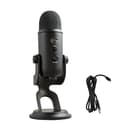
The desk kit. One USB microphone, and you are done. If you record voiceover, podcasts, streams or anything else sitting in front of a computer, put the whole budget into the mic and nothing else. A good USB condenser at this price sounds dramatically better than any headset or webcam mic, monitors through its own headphone jack, and needs no interface. The leftover money is better spent on moving the mic closer to your mouth than on a second device.
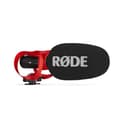
The camera kit. One on-camera shotgun, and you are also done. It mounts to the hot shoe, draws power from the camera so there is nothing to charge, and turns unusable built-in audio into something you would publish. If your mic also has a USB output, it doubles as a desk mic for calls and voiceover, which is the quiet reason it is the pick that suits the most people here.
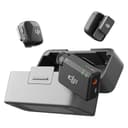
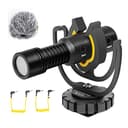
The do-everything kit.This is where the budget starts to bind, and where the two-mic combination makes sense: a cheap directional shotgun on the camera for pieces to camera, plus a small wireless pair for anyone who moves or stands away from it. Together they cover run-and-gun video and two-person interviews for roughly what one mid-range desk mic costs — check both live prices before you commit, because this pair sits close to the line.
What $200 is not enough for
It will not buy a dynamic broadcast microphone with the onboard processing that makes an untreated room sound treated — that is the under $500 kit. It will not buy a wireless system with 32-bit float recording, which is the feature that rescues a badly levelled take instead of forcing a re-shoot. And it will not buy a mic and an audio interface and headphones and a boom arm. Anyone selling you all four at this price is cutting something you will notice.
The good news is that none of those are what limits a beginner. Distance is. A cheap microphone six inches from your mouth beats an expensive one three feet away, in any room, every time.
Spend the next $50 here
Once the mic is chosen, the upgrades that actually change the recording are unglamorous. Closed-back headphones so you can hear a problem while it is happening. A way to get the mic closer — an arm, a stand, a clip. Something soft in the room: a rug, a curtain, a sofa against the wall you face. Each of those does more than the next tier of microphone, and none of them go obsolete. After that, the honest next step is lighting, not more audio.