Get the mic close, then worry about the mic
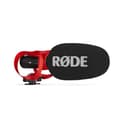
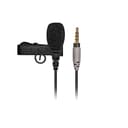
Every rule of location sound reduces to one: halve the distance between the microphone and the mouth and you roughly double how much voice you get relative to the room. A cheap mic eighteen inches away will beat an expensive one across the room, every time. This is why an on-camera shotgun works beautifully for a tight two-shot and falls apart on a wide, and why a clip-on lavalier is the workhorse of low-budget dialogue: it is always six inches from the mouth no matter what the camera is doing.
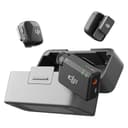
If your camera lives on a tripodat a fixed distance for interviews, the shotgun is fine and simpler. If you are shooting coverage — wides, mediums, close-ups of the same scene — buy the wireless system. The consistency across shot sizes is what makes a scene cut together.
Why 32-bit float matters more on a small crew
On a real set, a sound recordist rides the levels. On a budget shoot, you are the director, the operator and the recordist at once, and nobody is watching the meters. Systems that record 32-bit float internally are enormously forgiving of that: a take that clipped or a take that came in far too quiet can usually be pulled back in the edit rather than re-shot. The step up from our budget wireless pick to the full wireless guide is largely a step into that safety net.
Wind, handling and the things that ruin takes
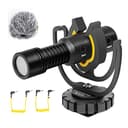
Outdoors, a furry windshield is not optional — a light breeze on a bare capsule produces a low rumble that no amount of EQ removes cleanly. Check what comes in the box before you buy an extra. Indoors, the killers are handling noise transmitted up the camera body and reflections off a hard floor or a bare wall. A shock mount fixes the first; a rug, a sofa and shooting away from parallel walls fix the second for free.
Finally, record a few seconds of the empty room on every location. Room tone is what your editor uses to smooth the joins between takes, and it costs nothing but the discipline to remember it.